
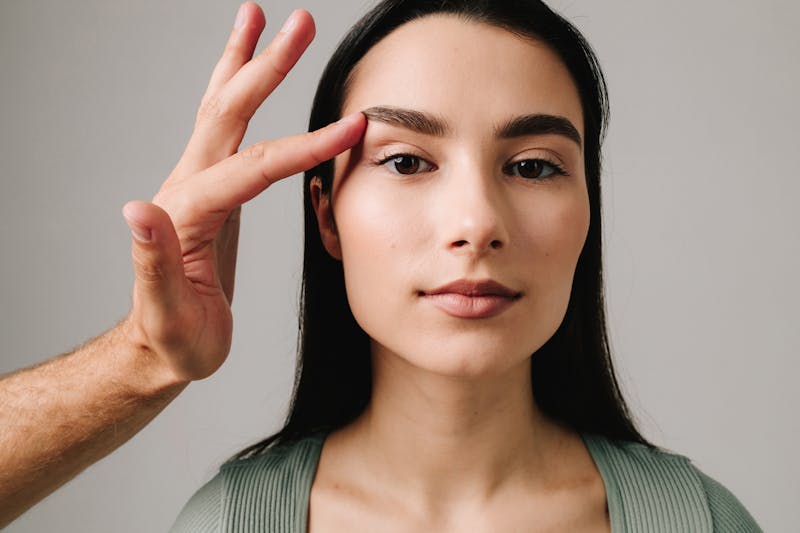
Finding the best blepharoplasty surgeon comes down to three things: board certification in facial plastic surgery, a portfolio that consistently shows subtle, believable outcomes, and a surgical philosophy built around enhancing your features rather than changing them. Dr. Sean Alemi, a double board-certified facial plastic surgeon practicing on the Upper East Side of Manhattan, has built his reputation on exactly that combination. This blog walks through what separates a truly skilled eyelid surgeon from the rest, what blepharoplasty actually involves, and how patients in New York City can evaluate a surgeon before committing to surgery.
What Makes a Blepharoplasty Surgeon the Best Choice?
The best blepharoplasty surgeons share a specific set of qualifications and habits that patients can verify before booking a consultation. Credentials matter, but so does how a surgeon talks about results and how consistent those results look across dozens of cases.
Look for these markers when researching a surgeon for eyelid surgery:
- Board certification through the American Board of Facial Plastic and Reconstructive Surgery, the American Board of Otolaryngology, or both
- Completion of an accredited residency in head and neck surgery or ophthalmology, followed by additional fellowship training specific to facial plastic surgery
- A visible portfolio of before-and-after photos that show natural eyelid contours rather than a hollow or overly tightened appearance
- A consultation process that includes a real conversation about goals, not just a quick assessment
- Experience performing eyelid surgery as a routine part of practice, not an occasional add-on to other procedures
Dr. Alemi meets each of these standards. He is double board-certified, trained under renowned facial plastic surgeon Dr. Andrew Jacono, and has completed thousands of facial rejuvenation procedures throughout his career.
What Is Blepharoplasty?
Blepharoplasty is a surgical procedure that removes or repositions excess skin, muscle, and fat around the upper or lower eyelids. Most patients pursue the procedure for one of two reasons. Some want to address a tired or aged appearance caused by drooping upper lids. Others are dealing with under-eye bags or hollows that no amount of skincare or sleep seems to fix.
Dr. Alemi approaches every eyelid consultation the same way he approaches facelifts: by studying the surrounding structures of the face first. Eyes do not exist in isolation, and treating them without considering brow position, midface volume, and skin quality often leads to results that look unfinished or mismatched.
How Can You Tell If a Surgeon Delivers Natural Results?
You can tell a surgeon delivers natural results by reviewing a large, consistent set of before-and-after photos rather than a handful of cherry-picked cases. Natural blepharoplasty results share a few visual traits: the eyes still move and express emotion normally, the eyelid crease looks proportionate to the rest of the face, and there is no pulled, hollow, or "surprised" appearance.
Patients should ask to see cases with similar anatomy to their own, since eyelid shape, skin thickness, and ethnicity all affect what a good outcome looks like. A surgeon who shows the same handful of dramatic transformations over and over, without a broader range of subtle cases, may be optimizing for before-and-after impact rather than long-term harmony with the rest of the face.
Dr. Alemi's approach to facial surgery has always centered on this idea of enhancement over alteration. His work has earned him a reputation among patients and press alike for outcomes that look like a refreshed version of the patient, never like a different person, and that same standard carries into his approach to eyelid surgery.
Why Board Certification and Specialized Training Matter
Board certification matters because it verifies that a surgeon has completed rigorous, standardized training in facial anatomy and surgical technique, rather than simply advertising cosmetic services. Becoming board-certified in facial plastic surgery requires a five-year residency in otolaryngology or head and neck surgery, followed by a highly competitive one-year fellowship offered to a limited number of surgeons nationally each year.
After fellowship, a surgeon must pass written and oral examinations along with a review of surgical case volume before earning certification from the American Board of Facial Plastic and Reconstructive Surgery. This process exists specifically to confirm that a surgeon has both the technical skill and the judgment to perform delicate procedures around the eyes safely.
Dr. Alemi holds certification from both the American Board of Facial Plastic and Reconstructive Surgery and the American Board of Otolaryngology, Head and Neck Surgery. He completed his residency at the University of California, San Francisco, and trained under Dr. Andrew Jacono in one of the busiest facial plastic surgery practices in the country before opening his own practice in Manhattan.
Dr. Alemi's Approach to Eyelid Surgery
Patients considering eyelid surgery often compare surgeons based on before-and-after galleries alone, but the consultation process reveals just as much. Dr. Alemi spends time evaluating brow position, skin elasticity, and fat distribution before recommending a surgical plan, since eyelid concerns are rarely limited to the eyelids themselves.
His practice, located on the Upper East Side of Manhattan, is a fully accredited ambulatory surgical center certified by the American Association for Accreditation of Ambulatory Surgery Facilities. Every patient receives a personalized treatment plan along with a complimentary post-operative recovery kit designed to support healing in the days following surgery.
Dr. Alemi customizes each blepharoplasty to the individual's facial structure and long-term goals. This philosophy, paired with his broader reputation for subtle, elegant surgical outcomes, is part of why patients from across the region choose to travel to his Manhattan practice for eyelid rejuvenation.
What to Expect During Blepharoplasty Recovery
Recovery from blepharoplasty typically involves swelling and bruising for the first one to two weeks, with most visible signs of surgery fading within that window. According to a peer-reviewed overview published by the National Institutes of Health, blepharoplasty is one of the most commonly performed facial cosmetic procedures, and most patients tolerate the recovery process well when proper aftercare is followed.
Patients can generally expect the following recovery milestones:
- Days 1 to 3: Swelling and bruising peak, with cold compresses helping to reduce discomfort
- Days 4 to 7: Bruising begins to fade and most patients feel comfortable in public with light makeup
- Weeks 2 to 3: Swelling continues to resolve and stitches, if used, are typically removed
- Weeks 4 to 6: Final results begin to take shape as residual swelling settles
Dr. Alemi provides every surgical patient with a customized recovery plan, along with guidance from his clinical team on managing swelling and supporting the healing process. Results continue to refine over the following months as tissues settle into their final position.
Addressing Common Concerns About Eyelid Surgery
Many patients hesitate to pursue blepharoplasty out of concern about looking overly done or unnatural after surgery. This concern is valid, since eyelid surgery performed too aggressively can create a hollow or tight appearance that ages a person rather than refreshing them.
Choosing a surgeon whose practice philosophy is built around restraint and proportion addresses this concern directly. A conservative, anatomy-first approach, combined with a surgeon who is willing to say no to excessive removal of skin or fat, produces results that hold up well over time.
Cost is another frequent concern, and pricing for blepharoplasty varies based on whether upper lids, lower lids, or both are treated, along with whether the procedure is combined with other facial surgery. Dr. Alemi's team walks patients through cost and financing options during the consultation, once a personalized surgical plan has been developed.
FAQs
What qualifies someone as the best blepharoplasty surgeon?
The best blepharoplasty surgeons combine board certification in facial plastic surgery with a consistent, natural-looking portfolio and a thoughtful consultation process that considers the entire face, not just the eyelids.
Is blepharoplasty only for older patients?
No. While many patients seeking blepharoplasty are addressing age-related changes, some younger patients pursue the procedure for genetic under-eye bags or hereditary eyelid hooding that affects their appearance regardless of age.
How long do blepharoplasty results typically last?
Blepharoplasty results can last for many years, though outcomes vary based on skin quality, genetics, and how the face continues to age over time. Dr. Alemi discusses realistic longevity expectations during every consultation.
Can blepharoplasty be combined with other procedures?
Yes. Blepharoplasty is frequently combined with brow lifts, facelifts, or non-surgical treatments to create a more balanced, comprehensive result. Dr. Alemi evaluates each patient's full facial anatomy to determine whether combination treatment makes sense.
Does insurance cover blepharoplasty?
Insurance may cover upper eyelid surgery when drooping skin significantly obstructs vision, though this is determined on a case-by-case basis. Cosmetic blepharoplasty performed for aesthetic reasons is typically not covered.
Ready to Learn More? Dr. Sean Alemi Is Here to Help
Choosing the right surgeon for eyelid surgery is one of the most important decisions in the process, and credentials alone do not tell the whole story. Dr. Alemi combines double board certification, training under one of the country's most respected facial plastic surgeons, and a practice philosophy centered on natural, believable results. Patients considering blepharoplasty are encouraged to schedule a consultation to discuss their goals and learn whether they are a good candidate.