
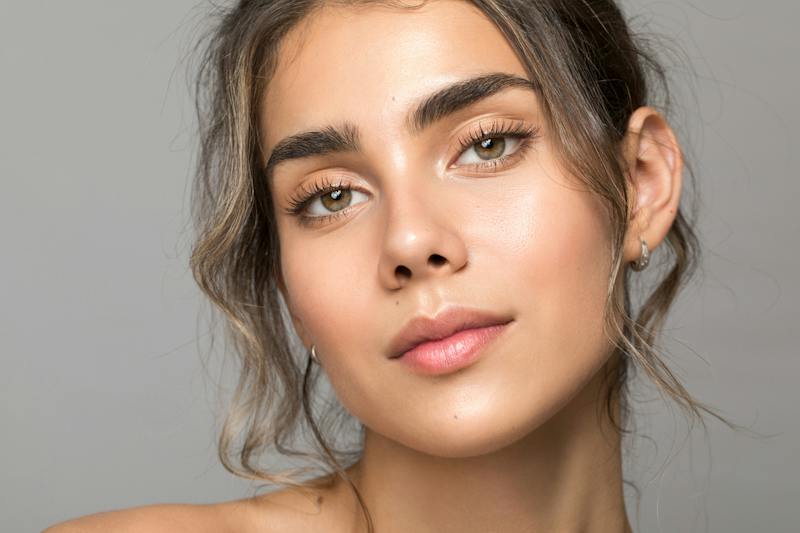
Tired, heavy eyes can make even a well-rested person look worn down, and no amount of concealer fixes that. A blepharoplasty consultation is the first real step toward understanding whether eyelid surgery can restore a refreshed, alert appearance without ever looking altered. Dr. Sean Alemi, a double board-certified facial plastic surgeon in New York City, walks every patient through a thorough, unhurried evaluation before recommending any surgical plan.
This guide breaks down exactly what happens at that first meeting, from candidacy criteria to the questions worth bringing with you, so you can walk into your consultation in Manhattan feeling prepared rather than uncertain.
Who Is a Candidate for Blepharoplasty?
Good candidates for blepharoplasty are healthy adults bothered by excess upper eyelid skin, under-eye puffiness, or a tired appearance that doesn't match how they feel. Eyelid surgery can address sagging skin on the upper lids, puffiness from fat deposits, and drooping of the lower lids that reveals white below the iris.
Candidacy comes down to more than age. During your consultation, Dr. Alemi evaluates several factors before recommending surgery, including:
- Whether the concern is purely cosmetic or affecting vision (functional versus aesthetic blepharoplasty)
- Skin elasticity and the amount of excess tissue present
- Overall eye health, tear production, and any history of dry eye
- General medical history, including medications and prior facial procedures
- Realistic expectations about what surgery can and cannot change
Some patients qualify for functional upper eyelid surgery when drooping skin obstructs their field of vision, a distinction that can sometimes make the procedure medically necessary rather than purely elective. Others are simply looking for a subtler, more awake appearance. Dr. Alemi's approach treats both groups with the same level of precision, because the goal is always a result that looks natural rather than surgically done. Patients who want a fuller grounding in the procedure before their visit can start with this guide to eyelid surgery.
What Happens During Your Eyelid Surgery Consultation
A blepharoplasty consultation with Dr. Alemi begins with a conversation, not a checklist. He wants to understand what bothers you about your eyes, how long it has bothered you, and what a good outcome would look like in your daily life.
From there, the visit typically moves through a few clear stages. First comes a review of your full medical history, including any eye conditions, allergies, or prior surgeries that could affect healing. Next, Dr. Alemi performs a hands-on assessment of the eyelids, checking skin laxity, muscle tone, and the position of fat pads that contribute to puffiness or hollowing.
Photography is taken to document the current appearance and to help plan the surgical approach with precision. In many cases, a brief visual field or eye health screening is included, particularly when drooping skin appears to interfere with sight. The consultation closes with a discussion of technique, whether upper, lower, or combined blepharoplasty best suits your anatomy, along with anesthesia options, recovery expectations, and cost. Patients considering more comprehensive facial rejuvenation can also review Dr. Alemi's approach to eyelid surgery in more depth before their visit.
Every consultation ends with time for questions. Dr. Alemi believes an informed patient makes a better surgical partner, and he would rather spend extra minutes explaining a technique than rush toward a decision.
Upper vs. Lower Blepharoplasty: Key Differences Your Surgeon Will Discuss
Upper and lower blepharoplasty address different concerns, and most patients only need one or the other. Upper eyelid surgery removes excess skin and, when needed, a small amount of fat from the upper lid, which can open up the eyes and soften a heavy, hooded look. Lower eyelid surgery targets puffiness and under-eye bags by repositioning or removing fat, and it can also smooth mild skin laxity below the lash line.
Some patients benefit from combined upper and lower blepharoplasty performed in a single session, particularly when both areas show visible aging at the same time.
Dr. Alemi determines the right approach by examining skin quality, fat distribution, and how the upper and lower lids relate to the rest of the face. A patient with hooded upper lids and minimal lower lid concerns rarely needs the same surgery as someone whose main issue is under-eye bags. Reviewing before-and-after results in Dr. Alemi's blepharoplasty gallery can help you visualize how each approach translates into real outcomes, and it gives you a concrete reference point to bring into your consultation.
Questions to Ask at Your Blepharoplasty Consultation
Walking into a consultation with a short list of questions helps you get the most out of the appointment and makes it easier to compare information if you're meeting with more than one surgeon. Consider asking:
- What technique would you use for my specific eyelid concerns, and why?
- Am I a candidate for upper, lower, or combined blepharoplasty?
- How many blepharoplasty procedures have you performed, and can I see examples of your work?
- What does recovery look like for someone with my schedule and lifestyle?
- What are the realistic risks, and how are they managed?
- Will this be performed as a standalone procedure or paired with another treatment, such as a brow lift?
Patients often find it reassuring to hear directly from others who have gone through the process. Dr. Alemi's patient testimonials offer a candid look at what the consultation-to-recovery journey feels like from the patient's side, which can help shape your own questions before you arrive.
It's also worth asking about board certification specifically. A facial plastic surgeon certified by the American Board of Facial Plastic and Reconstructive Surgery has completed additional fellowship training focused entirely on the face, which matters when the procedure involves a structure as delicate as the eyelid.
Understanding Blepharoplasty Cost and Recovery Time
Blepharoplasty cost depends on several variables discussed at your consultation, including whether the surgery involves the upper lids, lower lids, or both, the anesthesia type, and whether any additional procedures are performed at the same time. National averages published by professional societies offer a general benchmark, but Dr. Alemi provides a personalized quote only after a full evaluation, since anatomy and surgical complexity vary from patient to patient.
Recovery from blepharoplasty is generally shorter than for more extensive facial procedures. Most patients notice swelling and bruising in the first week, with visible improvement by the two-week mark.
To support healing, patients are encouraged to keep the head elevated, use cold compresses in the first 48 hours, and avoid strenuous activity for a couple of weeks. Dr. Alemi's team, including nurse practitioner Carolyn Alemi, NP-C, provides detailed aftercare guidance so patients feel supported rather than left to guess. Many patients also make use of the practice's aftercare recovery kit, which includes supplements and supplies designed to ease swelling and protect the healing incision.
Men considering eyelid surgery sometimes assume the procedure is geared primarily toward women, but that isn't the case. Dr. Alemi regularly treats male patients seeking a more alert, less fatigued appearance, and the consultation process is identical regardless of gender.
Patients weighing blepharoplasty alongside other facial concerns often review Dr. Alemi's broader facial rejuvenation results to understand how eyelid surgery fits into a more comprehensive plan, even when it's performed on its own.
FAQs
What happens during a blepharoplasty consultation?
A blepharoplasty consultation includes a review of your medical history, a hands-on assessment of your eyelids, photography for surgical planning, and a detailed discussion of technique, recovery, and cost tailored to your anatomy.
How much does blepharoplasty cost, and what affects the price?
Blepharoplasty cost varies based on whether upper, lower, or combined surgery is performed, the anesthesia used, and whether additional procedures are added. Dr. Alemi provides a personalized estimate after your consultation.
What is the best age to get blepharoplasty?
There is no single ideal age for blepharoplasty. Candidacy depends more on skin elasticity, fat distribution, and how much the eyelids affect your appearance or vision than on a specific number.
What is the difference between upper and lower blepharoplasty?
Upper blepharoplasty removes excess skin and fat from the upper eyelid to reduce a hooded appearance, while lower blepharoplasty addresses puffiness and bags beneath the eyes. Some patients benefit from both performed together.
How long is recovery after blepharoplasty, and when can I return to work?
Most patients see significant improvement in swelling and bruising within two weeks, and many return to work around that time, though full healing continues gradually beyond that point.
What are the risks and downsides of blepharoplasty surgery?
As with any surgery, blepharoplasty carries risks such as dry eyes, temporary blurred vision, scarring, and asymmetry. Dr. Alemi discusses these risks in detail during your consultation and explains how they are minimized.
How long do blepharoplasty results last?
Blepharoplasty results are considered long-lasting, since excess skin and fat removed during surgery generally do not return, though the natural aging process continues over time.
Schedule Your Consultation With Dr. Alemi in Manhattan
Choosing to move forward with blepharoplasty starts with a single conversation, and that conversation deserves a surgeon who listens as carefully as he operates. Dr. Sean Alemi brings double board certification, extensive training under renowned facial plastic surgeon Dr. Andrew Jacono, and a practice built entirely around natural, understated results to every consultation at his Upper East Side office in New York City.
If your eyes look more tired than you feel, a consultation is the clearest way to find out what's possible. Schedule your blepharoplasty consultation with Dr. Alemi in Manhattan today and take the first step toward a refreshed, natural appearance that still looks like you.